Navigating the World of CNC Milling and HMC Machining
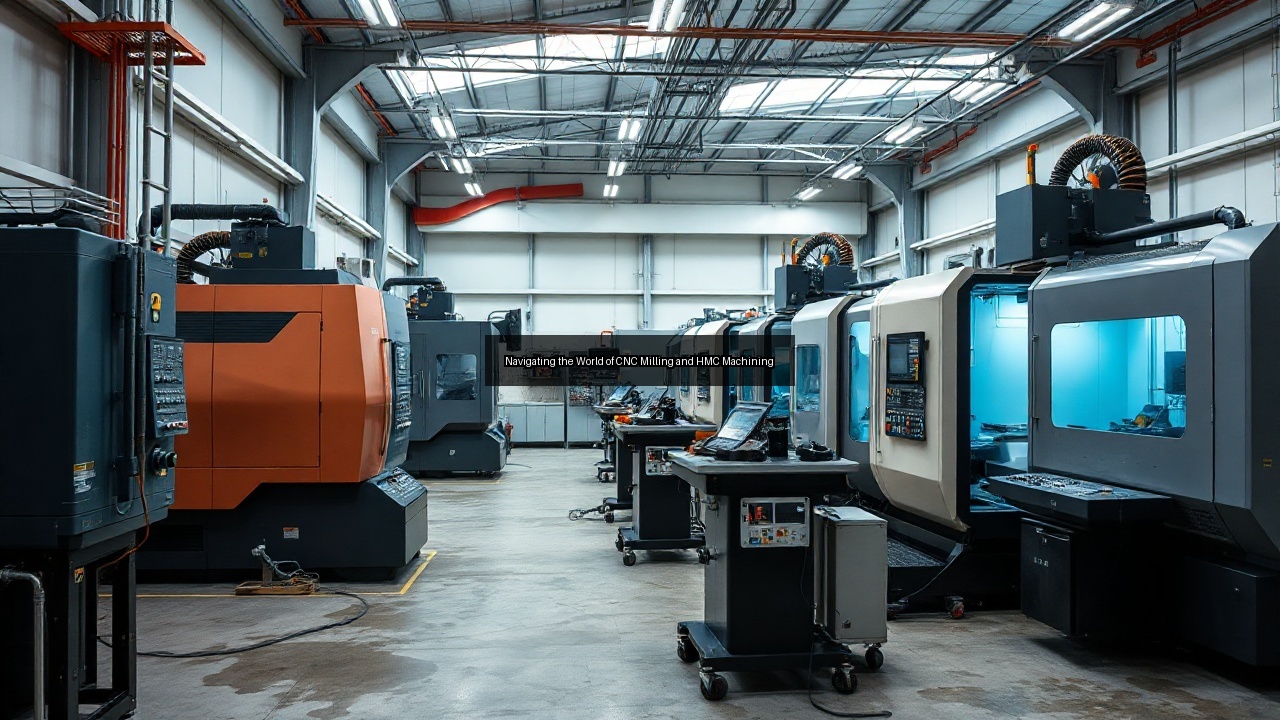
Understanding CNC Milling and HMC Machining
What is CNC Milling?
CNC milling refers to a subtractive manufacturing process that utilizes computer numerical control (CNC) technology to operate milling machines. In this process, a rotating cutting tool removes material from a solid workpiece, resulting in precise geometries and features. CNC milling machines can execute a variety of operations, including drilling, tapping, and contouring, making them essential in modern machining applications. The automation of CNC milling enhances productivity, reduces human error, and allows for complex part designs that might be difficult or impossible to achieve using traditional milling methods. CNC mills are widely used across numerous industries, from aerospace to automotive, owing to their versatility and precision.
Introduction to HMC Machining
Horizontal machining centers (HMC) represent a specific type of CNC machining technology designed for high-efficiency operations. Unlike vertical machining centers, HMCs position the spindle horizontally, which allows for better chip removal and facilitates the machining of larger workpieces. This layout enhances stability and precision, especially when working with heavy metals and intricate geometries. HMC machining services cater to demanding applications, providing the speed and accuracy required in high-volume production settings. Industries such as aerospace, energy, and cnc machining services heavy machinery frequently leverage HMCs due to their ability to handle complex parts with multiple features in a single setup, ultimately minimizing production time and maximizing output.
Key Differences Between CNC Milling and HMC Machining
CNC milling and HMC machining serve distinct purposes in the machining landscape, each with unique advantages. The primary difference lies in the orientation of the spindle; CNC mills typically operate vertically, while HMCs function horizontally. This difference affects chip management, tool access, and the overall efficiency of the machining process. HMCs excel in high-volume production due to their ability to perform multiple operations in a single setup, reducing cycle times. Conversely, CNC milling is often more suitable for smaller, intricate parts where vertical access is beneficial. Understanding these distinctions helps machine shops choose the right technology for their specific manufacturing needs.
Applications and Benefits of HMC Machining Services
Industries Utilizing HMC Machining
HMC machining services find applications across various industries, including aerospace, automotive, medical device manufacturing, and energy production. In aerospace, precision and reliability are paramount, making HMCs ideal for producing complex components such as turbine housings and structural elements. The automotive industry benefits from HMCs in the manufacturing of engine blocks and transmission housings, where accuracy and speed significantly impact production efficiency. Medical device manufacturers rely on HMC machining for producing intricate parts that must meet stringent regulatory standards. Additionally, the power generation sector utilizes HMCs for creating robust components that withstand extreme conditions, highlighting the versatility and importance of HMC machining technologies.
Advantages of HMC Machining Technologies
HMC machining offers numerous advantages that position it as a preferred choice for many manufacturing processes. Enhanced productivity stands out as a significant benefit, as HMCs reduce the number of setups required for complex parts. This capability leads to shorter lead times and increased throughput. Additionally, HMCs provide superior accuracy, ensuring that parts meet tight tolerances consistently. The horizontal design also allows for better chip evacuation, preventing tool wear and extending the lifespan of cutting tools. Furthermore, HMC machining services can accommodate various materials, including tough metals, which are increasingly used in advanced manufacturing applications. These advantages make HMC machining a cornerstone of modern fabrication processes.
Precision in Parts Manufacturing with HMC
The precision offered by HMC machining significantly impacts parts manufacturing. With advanced CNC technology, HMCs can achieve tolerances as tight as a few microns, making them ideal for applications that demand high precision. This level of accuracy is crucial in industries such as aerospace and medical devices, where even the slightest deviation can lead to failure. HMC machining services often incorporate advanced metrology techniques, ensuring that every component produced meets rigorous quality standards. The combination of precision and efficiency enables manufacturers to produce complex assemblies with confidence, leading to higher customer satisfaction and reduced costs associated with rework and scrap.
Choosing the Right Machining Center
Factors to Consider When Selecting a Machining Center
Selecting the right machining center involves several critical factors. First, consider the type of parts you will manufacture. For complex geometries and high-volume production, HMCs may be the ideal choice. Evaluate the material types as well; some machining centers are better suited for specific metals and composites. Bed size and spindle speed also play crucial roles in determining the machining center's capabilities. Additionally, consider the level of automation required for your operations. High-tech CNC machining centers can integrate features such as automatic tool changers and pallet systems, enhancing productivity. Lastly, assess your budget and maintenance requirements; investing in reliable, made in the USA machinery can provide long-term benefits and support.
Popular CNC Machining Centers in the Market
Evaluating Machining Capabilities for Your Project
Before committing to a machining center, thoroughly evaluate its capabilities in relation to your specific project requirements. Look into the machine's spindle speed, feed rates, and tooling options, as these factors directly affect machining efficiency and part quality. Assess the control software’s compatibility with your existing systems, ensuring seamless integration into your workflow. Consider the machine’s ability to handle various operations, such as milling, drilling, and tapping, to determine its versatility. Additionally, review customer feedback and case studies to understand how the machine performs in real-world applications. By conducting a comprehensive evaluation, manufacturers can select the most appropriate machining center that aligns with their operational goals.
Enhancing Productivity with Advanced Machining Solutions
Integrating CNC Technology in Metalworking
CNC technology revolutionizes metalworking by introducing automation and precision to traditional processes. Integrating CNC into metalworking operations enhances productivity and accuracy, allowing machine shops to produce complex parts with ease. CNC machining centers, including both HMCs and vertical machining centers, enable manufacturers to execute intricate designs that would be challenging to achieve manually. The software used in CNC machines allows for precise control over machining operations, significantly reducing the time required to produce each part. As industries evolve, the demand for efficiency and speed increases, making CNC technology an indispensable asset for modern metalworking.
The Role of Metrology in Precision Machining
Metrology plays a critical role in ensuring the precision and quality of machined parts. In CNC machining and HMC operations, advanced measuring tools and techniques help verify that components meet required specifications. Metrology involves the application of measurement science to assess the accuracy of parts, often incorporating tools like coordinate measuring machines (CMM), laser scanners, and optical comparators. By implementing robust metrology practices, manufacturers can detect deviations early in the production process, reducing the risk of defects and ensuring that parts adhere to stringent quality standards. This focus on measurement not only enhances product reliability but also boosts overall operational efficiency.
Future Trends in HMC Machining Services
The landscape of HMC machining services continues to evolve, driven by technological advancements and market demands. One prominent trend is the increasing adoption of automation and robotics in machining processes. Automated systems enhance productivity by minimizing downtime and enabling unmanned operations. Additionally, the integration of artificial intelligence (AI) and machine learning can optimize machining operations, predicting maintenance needs and improving process efficiencies. Sustainable manufacturing practices are also gaining traction, pushing manufacturers to adopt eco-friendly machining methods. As industries strive for greater efficiency and sustainability, HMC machining services will adapt to meet these challenges, ensuring they remain at the forefront of modern manufacturing.