Why Smart Thermostats Depend on Accurate HVAC Temperature Sensors
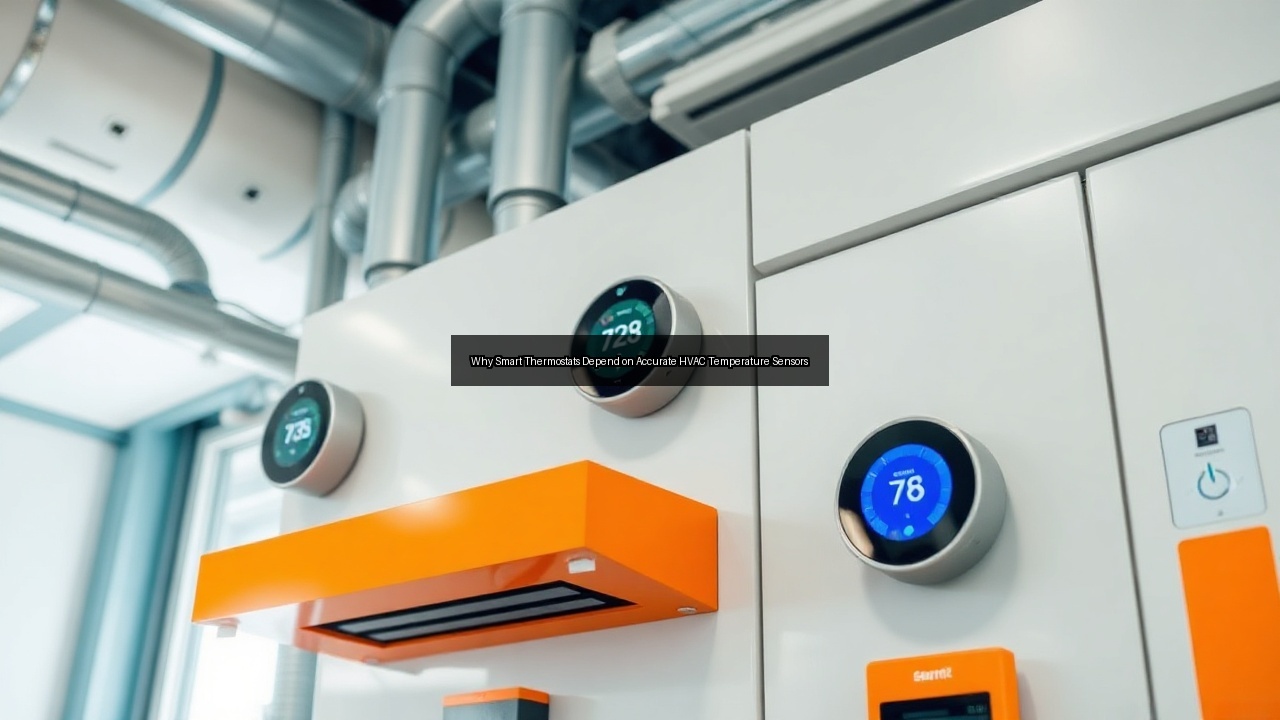
The Role of HVAC Temperature Sensors in Smart Thermostats
Understanding HVAC Temperature Sensors
HVAC temperature sensors serve as the backbone of modern heating and cooling systems, including smart thermostats. These sensors collect precise temperature data, enabling HVAC systems to regulate indoor climates effectively. Smart thermostats rely on accurate readings to hvac sensors maintain the desired temperature, ensuring comfort while optimizing energy consumption. For instance, when a temperature sensor detects a drop in indoor temperature, it signals the HVAC system to activate heating, thereby preventing discomfort. Conversely, if the temperature rises above the set point, the system initiates cooling. The accuracy of these sensors directly influences the performance of HVAC systems, underscoring their critical role in climate control.
Types of Temperature Sensors: Thermocouples vs. Thermistors
Temperature sensors in HVAC systems generally fall into two categories: thermocouples and thermistors. Thermocouples consist of two different metals joined at one end, generating a voltage that correlates with temperature differences. They are capable of measuring a wide range of temperatures and are often used in industrial applications. On the other hand, thermistors are temperature-sensitive resistors that change resistance with temperature fluctuations. They provide more precise measurements over a limited temperature range, making them ideal for residential HVAC applications. Smart thermostats typically utilize thermistors due to their accuracy and responsiveness. Understanding the differences between these two types of sensors helps users appreciate how HVAC temperature sensors contribute to effective climate control.
The Importance of Calibration in Temperature Measurement
Calibration plays a vital role in ensuring that HVAC temperature sensors provide accurate readings. Without proper calibration, sensors may yield erroneous data, leading to inefficient HVAC system operation. Regular calibration aligns the sensor readings with established standards, such as those set by NIST (National Institute of Standards and Technology). This process involves comparing the sensor’s output with a known temperature standard and adjusting it accordingly. A well-calibrated sensor ensures that the HVAC system responds correctly to temperature changes, optimizing energy usage and enhancing indoor air quality. For smart thermostats, this means maintaining consistent comfort levels, reducing energy costs, and prolonging the life of the HVAC system. Calibration is not merely a technical requirement; it's essential for the effective and efficient operation of heating and cooling systems.
Impact on Climate Control and Indoor Air Quality
How Accurate Sensors Enhance HVAC System Efficiency
Accurate HVAC temperature sensors significantly enhance the efficiency of heating and cooling systems. By delivering real-time temperature data, these sensors allow smart thermostats to make informed decisions regarding HVAC operation. For example, if the sensors detect that an area is warmer than its setpoint, the HVAC system can activate cooling without delay. This timely response prevents excessive energy consumption and contributes to lower utility bills. Moreover, accurate readings prevent the overworking of HVAC systems, which can lead to premature wear and tear. The integration of high-quality temperature sensors ensures that the HVAC system operates within its optimal range, thus maximizing its lifespan and minimizing the need for repairs. Efficient temperature monitoring translates directly into enhanced climate control, providing a comfortable environment while promoting sustainability.
The Connection Between Temperature Sensors and Indoor Air Quality
The relationship between HVAC temperature sensors and indoor air quality (IAQ) is profound. Accurate temperature readings help maintain optimal humidity levels, which directly affect IAQ. When HVAC systems operate efficiently, they regulate not only temperature but also humidity, preventing issues like mold growth and dust accumulation. For instance, if humidity levels rise due to elevated temperatures, the HVAC system can adjust settings to dehumidify the air, creating a healthier indoor environment. Smart thermostats equipped with advanced sensors can also monitor air quality indicators such as volatile organic compounds (VOCs) and particulate matter. By integrating temperature and air quality data, these systems provide comprehensive climate control that prioritizes health and comfort. Consequently, accurate HVAC temperature sensors contribute to improved indoor air quality, enhancing overall well-being.
Leveraging Occupancy Sensors for Optimized Climate Control
Occupancy sensors work in tandem with HVAC temperature sensors to optimize climate control. These sensors detect the presence of individuals in a room, allowing smart thermostats to adjust heating and cooling settings based on occupancy patterns. For example, if a room is unoccupied, the HVAC system can reduce its operation, leading to significant energy savings. Conversely, when the occupancy sensor detects movement, it signals the thermostat to return the space to a comfortable temperature quickly. This dynamic adjustment not only enhances user comfort but also contributes to energy efficiency. By leveraging occupancy sensors alongside HVAC temperature sensors, smart thermostats create a responsive climate control system that adapts to real-time needs, ensuring that energy is not wasted in empty spaces.
Integrating Sensors in Building Automation and Data Centers
The Role of Temperature Monitoring in Data Center Management
Temperature monitoring in data centers relies heavily on accurate HVAC temperature sensors. Data centers house sensitive electronic equipment that generates significant heat. Maintaining an optimal temperature is crucial for preventing overheating and ensuring operational efficiency. HVAC systems equipped with precise temperature sensors can monitor environmental conditions continuously, triggering cooling mechanisms as needed. This proactive approach protects critical hardware, minimizes the risk of equipment failure, and enhances overall system reliability. Moreover, advanced data center management systems use temperature data to analyze trends, optimize resource allocation, and improve energy efficiency. By integrating temperature sensors into building automation systems, data centers can achieve effective climate control while supporting sustainability initiatives.
Automation and Its Impact on HVAC Control Systems
Automation transforms HVAC control systems, enhancing their functionality and efficiency. Integrating HVAC temperature sensors into automated systems allows for seamless communication between different components, including thermostats, air handling units, and occupancy sensors. This interconnectedness enables real-time data sharing and decision-making, facilitating swift responses to temperature changes. Automated HVAC systems can adjust settings based on sensor inputs, ensuring that heating and cooling respond dynamically to occupancy levels and environmental conditions. This not only enhances comfort but also maximizes energy savings. Furthermore, automation simplifies maintenance tasks, as systems can alert operators to potential issues before they escalate. As automation continues to evolve, the role of HVAC temperature sensors becomes even more pivotal, driving improvements in climate control and operational efficiency.
See Also
- Exploring the Connection Between HVAC Temperature Sensors and System Longevity
- The Role of Temperature Sensors in Optimizing Data Center Cooling
- The Future of Climate Control Lies in Advanced HVAC Temperature Sensors
- Understanding the Importance of Thermowells in HVAC Systems
- Maximizing Energy Savings Through Smart HVAC Temperature Monitoring